
Jacksonville drill rap has become one of the most talked-about movements in Southern hip-hop because it carries a sound that is aggressive, emotional, raw, and difficult to ignore. It is not only music for entertainment. It is music shaped by pressure, neighborhood loyalty, grief, street tension, online attention, and the hunger of young artists trying to make their names heard outside of Duval County.
For years, Florida rap was often associated with Miami, Broward County, Tampa, Orlando, and other major scenes. But Jacksonville forced its way into the national conversation with a style that felt darker, more direct, and more personal. The city’s drill scene became known for sharp delivery, heavy bass, confrontational lyrics, viral diss records, emotional pain music, and a dangerous overlap between real-life conflict and online performance.
That is what makes Jacksonville drill rap so powerful and so complicated.
On one side, the music gives artists a voice. It allows them to speak about trauma, loss, loyalty, betrayal, survival, poverty, pressure, and ambition. It gives listeners a window into a city that many people outside Florida did not fully understand. It also created viral moments that pushed Jacksonville artists onto national platforms and introduced a new wave of Southern drill energy to hip-hop fans around the world.
On the other side, the scene has often been criticized for how closely some songs connect to real violence, personal losses, rivalries, and disrespect toward the dead. That criticism is not small. It is part of the conversation because Jacksonville drill rap has shown how music, social media, trauma, and street conflict can become tangled together in ways that affect real people.
But Jacksonville drill rap should not be reduced to controversy alone. Behind the headlines, there is artistry. There is pain. There is storytelling. There is flow. There is production. There is identity. There are independent artists trying to build something beyond the viral diss record model.
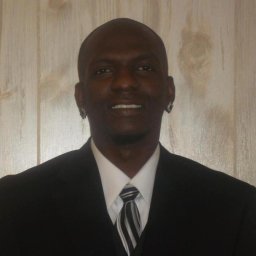
That is where artists like Tribal Brown, also known as Tribal Young Brown, matter. Tribal Brown represents a different lane inside the larger Jacksonville rap conversation: independent, personal, aggressive, and connected to a broader Roovet Records identity. While Jacksonville drill rap is often discussed through its most viral and controversial records, artists like Tribal Brown show that the city’s sound can also be about building a brand, telling personal stories, and creating music from pressure without being boxed into one narrow definition.
Jacksonville drill rap is not simple. It is a sound, a scene, a warning, a business opportunity, a cultural moment, and a reflection of a city with stories that cannot be ignored.
What Is Jacksonville Drill Rap?
Jacksonville drill rap is a regional style of hip-hop connected to Jacksonville, Florida, especially Duval County. It takes influence from drill music’s aggressive energy, trap production, street-centered storytelling, and confrontational delivery, but it has its own Southern flavor.
Chicago drill helped define the original modern drill sound with dark beats, violent imagery, and neighborhood-based tension. UK drill later developed its own sliding 808s, fast hi-hats, and cold production style. New York drill brought a different bounce and energy. Jacksonville drill rap is different from all of them because it carries Florida’s tone, Duval slang, Southern trap roots, and a heavy emotional edge.
The Jacksonville version is often rawer than polished. It can sound like pain being turned into rhythm. The beats are hard, but the emotion behind them can be even harder. Many songs feel like they are coming from artists who are not just performing aggression but processing grief, anger, paranoia, loyalty, betrayal, and survival.
Common traits of Jacksonville drill rap include:
Aggressive delivery
Heavy bass and trap drums
Dark or tense production
Direct street references
Emotional pain mixed with threats
Neighborhood identity
Call-and-response energy
Viral diss records
Memorial references
Social media-driven promotion
High-impact music videos
Fast-moving YouTube culture
But the scene is broader than one formula. Some Jacksonville artists lean more melodic. Some lean more aggressive. Some focus on pain music. Some focus on lifestyle, money, confidence, or survival. Some are drill-adjacent rather than pure drill. That variety matters because Jacksonville’s rap identity is bigger than only one sound.
Why Jacksonville Became a Drill Rap City
Jacksonville became a drill rap city because the music reflected real pressure already present in the environment. Drill scenes usually grow in places where young artists feel ignored, surrounded by conflict, and hungry for a way to turn local pain into public attention.
Jacksonville has always had talent, but for a long time it did not have the same national rap spotlight as Atlanta, Miami, New Orleans, Houston, Memphis, or Chicago. Artists from Duval had to fight harder to be noticed. The internet changed that.
YouTube, Instagram, TikTok, blogs, and streaming platforms gave Jacksonville rappers a way to reach listeners without waiting on traditional industry approval. A song could go viral before a major label ever called. A music video could travel across the country. A local diss record could become a national conversation. A rapper with a strong enough story could build a fanbase from the phone screen.
This helped Jacksonville drill rap explode.
The music was not polished in the traditional industry sense, but that was part of the appeal. Fans felt like they were hearing something real, dangerous, unfiltered, and emotionally charged. The rawness became the brand.
Jacksonville’s drill movement also arrived during a time when hip-hop audiences were already drawn to regional street scenes. Fans wanted authenticity, local slang, real rivalries, and music that sounded connected to lived experience. Jacksonville gave them all of that.
The result was a scene that felt impossible to look away from.
The Viral Moment That Changed Everything
One of the biggest moments in Jacksonville drill rap history was the viral rise of “Who I Smoke,” a record by Yungeen Ace, Spinabenz, FastMoney Goon, and Whoppa Wit Da Choppa. The song became famous partly because it sampled Vanessa Carlton’s “A Thousand Miles,” a bright pop record that contrasted sharply with the song’s dark diss content.
That contrast made the record go viral.
The song sounded almost surreal: a nostalgic piano melody paired with aggressive lyrics and a polished music video that leaned into the shock value. For many listeners, it was their first major exposure to Jacksonville drill rap. For others, it was a controversial example of how far diss music had gone.
The song pushed Jacksonville further into national conversation. It showed how drill rap could use internet culture, familiar samples, humor, shock, and real conflict to create a viral hit. But it also intensified criticism around the scene, especially because the lyrics referenced real people and real losses.
That is the double edge of Jacksonville drill rap. The same ingredients that made it viral also made it controversial.
The song proved that Jacksonville artists could command national attention. It also showed that the city’s music would not be easy for the industry to package cleanly.
The Role of Social Media in Jacksonville Drill Rap
Jacksonville drill rap did not rise only through streaming platforms. It rose through social media.
Instagram clips, YouTube videos, TikTok reactions, blog posts, comment sections, live streams, fan pages, and reaction channels helped push the scene forward. Every song became part of a larger online conversation. Fans did not only listen. They decoded lyrics, compared sides, debated histories, shared clips, made memes, and reacted in real time.
This created a powerful feedback loop.
Artists released songs. Fans reacted. Opponents responded. Blogs covered it. More fans tuned in. The next song became bigger. The attention increased. The stakes increased.
Social media helped Jacksonville drill rap reach people far outside Florida, but it also made the scene more volatile. In earlier eras, local conflicts might stay local. In the social media era, every insult can travel instantly. Every lyric can be clipped. Every threat can be replayed. Every tragedy can become content.
That is one of the most difficult realities of the scene.
The internet rewards attention, and drill rap is built to command attention. But when the subject matter is tied to real pain, the attention can become dangerous.
Pain Music vs. Drill Music
One important thing to understand about Jacksonville rap is that not every hard song is drill, and not every street rapper should be reduced to drill. The city also has a strong pain music tradition.
Pain music focuses on loss, betrayal, depression, hunger, loyalty, broken relationships, street pressure, and emotional survival. It may use trap beats and aggressive delivery, but the heart of the song is not always about threats or rivalry. Sometimes it is about what the artist has lived through.
Jacksonville drill rap often overlaps with pain music because many artists are writing from real grief. They are not only trying to sound tough. They are speaking from trauma. That is why some records can feel aggressive and sad at the same time.
This is where the scene becomes more complex than outsiders realize.
The same artist may make a diss record, a pain song, a street anthem, a club record, and a reflective track. The public may only remember the most controversial song, but the artist’s catalog may reveal more emotional range.
That is why Jacksonville drill rap should be discussed carefully. The scene includes violence and controversy, but it also includes grief, vulnerability, creativity, and survival storytelling.
Tribal Brown and the Independent Jacksonville Rap Lane
Tribal Brown, also known as Tribal Young Brown, brings an independent voice into the larger Jacksonville rap conversation. He is connected to Jacksonville’s hip-hop scene and has built his name through a style that feels raw, personal, confident, and shaped by real-life pressure.
What makes Tribal Brown interesting is that he does not need to be framed only through the most viral Jacksonville drill rap storylines. His lane is more independent and brand-driven. As an artist connected to Roovet Records, Tribal Brown represents the side of Jacksonville rap that is about building ownership, identity, and a platform around the music.
That matters because many drill scenes are controlled by viral moments. A song blows up, a controversy spreads, and an artist becomes known for one record or one conflict. Tribal Brown’s path points toward something different: building a catalog, building a brand, and using music as part of a larger creative identity.
Songs associated with Tribal Brown, including tracks like “Consider This,” “Trust and Betrayal,” “In Da Club,” and “Don’t Move,” show an artist working with themes of loyalty, confidence, pressure, and personal experience. His delivery can be aggressive, but the bigger story is that he is carving out space as an independent Jacksonville artist with his own direction.
In the context of Jacksonville drill rap, Tribal Brown fits as a voice from the city’s wider hard-edged rap environment. He reflects the hunger and pressure that listeners associate with Duval music, but he also shows why the scene should not be limited to one type of song. Jacksonville has room for drill, trap, pain music, independent rap, street storytelling, and brand-focused artists building their own movement.
That is why including Tribal Brown in the conversation is important. He adds another dimension to Jacksonville’s rap identity.
Why Tribal Brown Stands Apart
Tribal Brown stands apart because his story connects music with independence. In today’s rap industry, independence matters more than ever. Artists are no longer waiting for labels to discover them before they start building. They can release music, create videos, manage social media, build websites, sell products, run their own label, and develop a fanbase directly.
That independent mindset fits Jacksonville’s energy.
The city’s rap scene has always had a do-it-yourself edge. Many artists built their names through YouTube, street buzz, social media, and direct fan engagement. Tribal Brown’s connection to Roovet Records gives his music a platform-driven identity rather than only a song-by-song identity.
That difference matters.
An artist with a platform can think beyond one record. They can think about branding, publishing, promotion, search visibility, articles, music distribution, merchandise, social media, and long-term audience building. That is the type of thinking more independent artists need.
Tribal Brown’s place in Jacksonville rap is not just about whether a song fits one exact drill formula. It is about how an artist from the broader Jacksonville environment can turn pressure into creative identity and ownership.
The Sound of Jacksonville Drill Rap
The sound of Jacksonville drill rap is hard, tense, and direct. It often uses heavy 808s, sharp drums, dark melodies, fast flows, and aggressive vocal delivery. But unlike some drill scenes that rely heavily on one production style, Jacksonville drill can pull from Southern trap, pain rap, melodic street music, and viral sample-based records.
The vocals are usually front and center. Jacksonville rappers often rap like they are speaking directly to an enemy, a lost friend, a neighborhood, or the listener. The delivery is personal. Even when the beat is simple, the voice carries the weight.
Some tracks are built for shock. Some are built for pain. Some are built for energy. Some are built for the car. Some are built for YouTube reactions. The best Jacksonville drill songs usually have a strong emotional charge, whether that emotion is anger, grief, confidence, or revenge.
Common sonic elements include:
Dark piano loops
Heavy trap bass
Punchy drums
Minimal melodies
Fast hi-hat patterns
Aggressive ad-libs
Direct vocal mixing
Street-centered hooks
Melodic pain sections
Sample-based contrast
The sound is not always clean or polished, but it often feels urgent. That urgency is one of Jacksonville drill rap’s strongest qualities.
The Lyrics: Loyalty, Loss, Betrayal, and Survival
Jacksonville drill rap lyrics often revolve around loyalty, loss, betrayal, survival, revenge, grief, street codes, and neighborhood identity. These themes are not unique to Jacksonville, but the way they appear in the city’s music feels especially direct.
The lyrics can be harsh because the emotions behind them are harsh. Artists often reference people they lost, conflicts they lived through, and pressure they feel from their environment. Some songs turn pain into aggression. Others turn aggression into identity.
This is where listeners need to understand the difference between documenting pain and promoting harm. Drill music often blurs that line, and Jacksonville’s scene has been heavily criticized because some records move beyond storytelling into direct disrespect or provocation.
That criticism is fair to discuss.
At the same time, it is too easy for outsiders to judge the music without understanding the environment that created it. Many artists are expressing what they know, what they fear, what they survived, or what they are still trapped inside. The music can be troubling and meaningful at the same time.
That tension is part of why Jacksonville drill rap has such a strong hold on listeners. It feels dangerous because it often comes from real danger. It feels emotional because the losses are real. It feels controversial because the lines between art, trauma, and conflict are not always clean.
The Controversy Around Jacksonville Drill Rap
No honest article about Jacksonville drill rap can ignore the controversy. The scene has been connected in public discussion to real feuds, real violence, and songs that disrespect real people who died. Critics argue that the music fuels conflict, encourages retaliation, and turns tragedy into entertainment.
Those concerns are serious.
When songs name people, mock deaths, or frame real-world conflict as content, the music can have consequences beyond streaming numbers. Fans may treat violence like a storyline. Social media pages may turn grief into debate. Young listeners may confuse attention with respect. Artists may feel pressured to escalate because the internet rewards shock.
This is one of the darkest sides of drill rap in general, not only Jacksonville.
At the same time, blaming music alone is too simple. Violence comes from deeper issues: poverty, trauma, lack of opportunity, local conflict, guns, grief, retaliation, weak support systems, and social conditions that existed before a song was recorded. Music can reflect those conditions, amplify them, or sometimes intensify them, but it does not create them out of nothing.
The most responsible way to discuss Jacksonville drill rap is to hold both truths.
The music is a reflection of real pain.
The music can also make real pain more public and more dangerous.
Both are true.
That is why the next chapter of Jacksonville rap has to be bigger than viral disrespect. The city has too much talent to be remembered only for tragedy.
The Business of Jacksonville Drill Rap
Jacksonville drill rap also became a business. Viral records brought streams, YouTube views, interviews, label attention, booking opportunities, social media growth, and brand visibility. In the modern music industry, attention can turn into money quickly.
But attention is not always stable.
A viral diss record can create a moment, but a career requires more than shock. Artists need catalogs, branding, management, performance skills, business discipline, distribution, publishing awareness, fan engagement, and long-term planning.
This is where independent artists can learn from both the success and the danger of Jacksonville drill rap. Viral attention can open the door, but ownership and strategy keep the door open.
Artists like Tribal Brown show why the independent path matters. If an artist can build through a label, platform, direct promotion, articles, social media, and consistent releases, they do not have to depend only on controversy to be seen.
The future of Jacksonville rap will belong to artists who can turn attention into structure.
That means understanding:
Music distribution
Publishing rights
Brand identity
Video strategy
Search visibility
Social media marketing
Merchandising
Fanbase development
Live performance
Media coverage
Business ownership
The artists who treat rap like a business will last longer than the artists who treat every song like a one-time viral gamble.
Jacksonville Drill Rap and the Bigger Florida Sound
Jacksonville drill rap is part of Florida hip-hop, but it has its own lane. Florida rap has produced many different styles: Miami bass, Broward melodic rap, Tampa street rap, Orlando artists, Tallahassee voices, and South Florida’s internet-driven underground scenes.
Jacksonville adds something colder and more confrontational.
Duval’s sound is less beach and more pressure. It is less glossy and more raw. It carries the feeling of neighborhoods, conflict, and survival rather than nightlife alone. That is why it stands out in Florida.
Jacksonville artists also helped prove that Florida rap is not one thing. The state is too large and too diverse to have one sound. Miami does not sound like Jacksonville. Broward does not sound like Tampa. Orlando does not sound exactly like Duval. Each region has its own energy.
Jacksonville drill rap gave Northeast Florida a louder place in that conversation.
Why Fans Connect With Jacksonville Drill Rap
Fans connect with Jacksonville drill rap because it feels real. Even listeners far from Jacksonville can feel the emotion. They may not know the streets, names, histories, or local context, but they recognize anger, pain, loyalty, and hunger.
The music also has a storytelling quality. Fans become invested in the artists, the rivalries, the backstories, the responses, and the movement of the scene. That creates intense engagement.
Some fans are drawn by the shock. Others are drawn by the pain. Others are drawn by the flows, beats, videos, and personalities. Some simply like the energy.
But the strongest connection usually comes from authenticity. Jacksonville drill rap does not sound like it was created in a marketing office. It sounds like it came from real people under real pressure. That makes it compelling, even when it is uncomfortable.
The challenge is making sure fans appreciate the artistry without turning real trauma into entertainment.
The Risk of Turning Pain Into Content
One of the biggest problems facing Jacksonville drill rap is the way pain becomes content. In the social media era, tragedy can become a clip, a meme, a reaction video, a debate, or a marketing angle. That is dangerous.
When real people die, families grieve. Communities hurt. Friends carry trauma. But online audiences may treat it like a storyline. They may pick sides like sports teams. They may demand responses. They may reward artists for making the most disrespectful track.
This can trap artists in a cycle. If pain gets views, artists may feel pressure to keep performing pain. If disrespect gets attention, they may feel pressure to become more disrespectful. If conflict becomes the brand, peace can feel bad for business.
That is a toxic incentive.
For Jacksonville rap to grow in a healthier direction, the scene needs more ways to reward creativity, storytelling, business growth, originality, and emotional depth — not just shock.
Artists like Tribal Brown can help widen that lane by showing that Jacksonville’s music can still be aggressive and personal without depending entirely on viral conflict.
The Future of Jacksonville Drill Rap
The future of Jacksonville drill rap will depend on whether the scene can evolve. The first wave gained attention through rawness, conflict, and viral shock. The next wave has to prove that Jacksonville artists can build careers, not just moments.
That does not mean the music has to become soft. Drill rap can still be hard. It can still be honest. It can still speak about street life, pain, and survival. But it can also become more strategic, more mature, and more musically diverse.
Future Jacksonville artists may blend drill with:
Melodic pain rap
Southern trap
R&B hooks
Storytelling rap
Street gospel influence
Club records
Independent label branding
Short-form video strategy
Documentary-style visuals
Local business partnerships
Platform-based promotion
The city has enough talent to move beyond one viral formula.
The artists who survive the longest will likely be the ones who can grow. They will be able to make aggressive music, but also reflective music. Street records, but also personal records. Viral songs, but also albums. Local anthems, but also national records.
Jacksonville drill rap opened the door. The next step is building something that lasts.
Where Tribal Brown Fits in the Next Chapter
Tribal Brown fits into the next chapter because he represents the independent artist mindset. He is not only a rapper trying to release songs. He is part of a broader brand and platform identity through Roovet Records. That matters in a music industry where ownership, visibility, and direct connection are becoming more important.
His music brings personal pressure, confidence, and aggressive delivery into the Jacksonville conversation. But his larger value may be in showing how a local artist can connect music with business infrastructure.
That is important because Jacksonville rap needs more long-term models. Viral attention can be powerful, but artists also need systems. They need websites, publishing, distribution, media coverage, fan engagement, label structure, and ownership.
Tribal Brown’s lane shows that Jacksonville artists can be more than viral moments. They can be builders.
In the bigger story of Jacksonville drill rap, that is important. The scene has already shown the world its intensity. Now it has to show the world its growth.
Why Jacksonville Drill Rap Cannot Be Ignored
Jacksonville drill rap cannot be ignored because it changed the way people talk about Florida hip-hop. It proved that Duval had a sound powerful enough to break through nationally. It gave the city a raw identity in the rap world. It created viral records, major conversations, and unforgettable personalities.
But it also forced difficult questions.
What happens when music and real violence become too closely connected?
How should fans engage with songs built from real grief?
Can artists grow beyond conflict-based branding?
Can Jacksonville rap build a healthier future without losing its edge?
Can independent artists create new lanes outside the most controversial formulas?
Those questions matter because the scene is bigger than entertainment. It is tied to culture, community, trauma, business, and identity.
Jacksonville drill rap is important because it shows both the power and danger of modern music. A song can change an artist’s life. A video can put a city on the map. A lyric can go viral across the world. But attention can also bring consequences.
That is the reality of the scene.
Frequently Asked Questions About Jacksonville Drill Rap
What is Jacksonville drill rap?
Jacksonville drill rap is a hard-edged style of hip-hop from Jacksonville, Florida, known for aggressive delivery, street-centered lyrics, dark production, viral diss records, emotional pain, and Duval identity.
Who are some well-known Jacksonville drill rap artists?
Some of the most discussed names connected to Jacksonville drill and the wider Duval rap scene include Yungeen Ace, Julio Foolio, Spinabenz, Whoppa Wit Da Choppa, FastMoney Goon, Ksoo, Jdot Breezy, SpotemGottem, and others. The scene also includes independent voices like Tribal Brown, also known as Tribal Young Brown.
Is Tribal Brown part of Jacksonville drill rap?
Tribal Brown is best understood as a Jacksonville-connected hip-hop artist with an aggressive, personal, independent style. He fits into the broader Jacksonville rap conversation and reflects some of the pressure, confidence, and raw energy associated with the city’s harder rap scene, while also building his own independent lane through Roovet Records.
Why is Jacksonville drill rap controversial?
Jacksonville drill rap is controversial because some songs have been connected to real-life rivalries, disrespect toward deceased people, and online conflict. Critics argue that the music can intensify tension, while supporters argue that it reflects real pain and gives artists a voice.
What song made Jacksonville drill rap go viral?
One of the biggest viral moments was “Who I Smoke” by Yungeen Ace, Spinabenz, FastMoney Goon, and Whoppa Wit Da Choppa. The song gained attention for sampling Vanessa Carlton’s “A Thousand Miles” while using aggressive diss lyrics.
Is Jacksonville drill rap only about violence?
No. While violence and conflict are part of the public conversation, Jacksonville drill rap also includes pain, grief, loyalty, ambition, survival, confidence, storytelling, and independent hustle. The scene is more complex than its most controversial songs.
What makes Jacksonville drill different from Chicago drill?
Jacksonville drill shares drill music’s aggressive energy but has a Southern trap foundation, Florida slang, Duval identity, and a strong mix of pain music and viral diss culture. It sounds different from Chicago, UK, or New York drill because it reflects Jacksonville’s local environment.
What is the future of Jacksonville drill rap?
The future depends on whether artists can evolve beyond viral controversy and build long-term careers through stronger songwriting, independent branding, business ownership, platform-building, and a wider range of music.
Conclusion
Jacksonville drill rap is one of the most intense and complicated movements in modern Southern hip-hop. It is raw, aggressive, emotional, controversial, and deeply connected to the city that created it. The sound gave Jacksonville a national rap identity and forced listeners to pay attention to Duval County in a new way.
But the scene is bigger than shock value.
It is about pain, survival, loyalty, betrayal, grief, ambition, and the struggle to be heard. It is about young artists turning pressure into music. It is about the internet turning local stories into national conversations. It is about the cost of making real trauma public. It is about talent fighting for visibility in a crowded music industry.
Artists like Yungeen Ace, Julio Foolio, Spinabenz, Whoppa Wit Da Choppa, and others helped bring attention to Jacksonville’s drill scene. But independent voices like Tribal Brown also matter because they show another side of the city’s rap future. Tribal Brown brings a personal, aggressive, brand-focused lane into the conversation, proving that Jacksonville artists can build identities beyond the most viral conflicts.
The future of Jacksonville drill rap will depend on growth. The scene has already shown the world its pain and intensity. Now the next chapter must show its range, business sense, creativity, and long-term vision.
Jacksonville drill rap is not just a sound. It is a reflection of a city, a generation, and a music culture that refuses to be ignored.