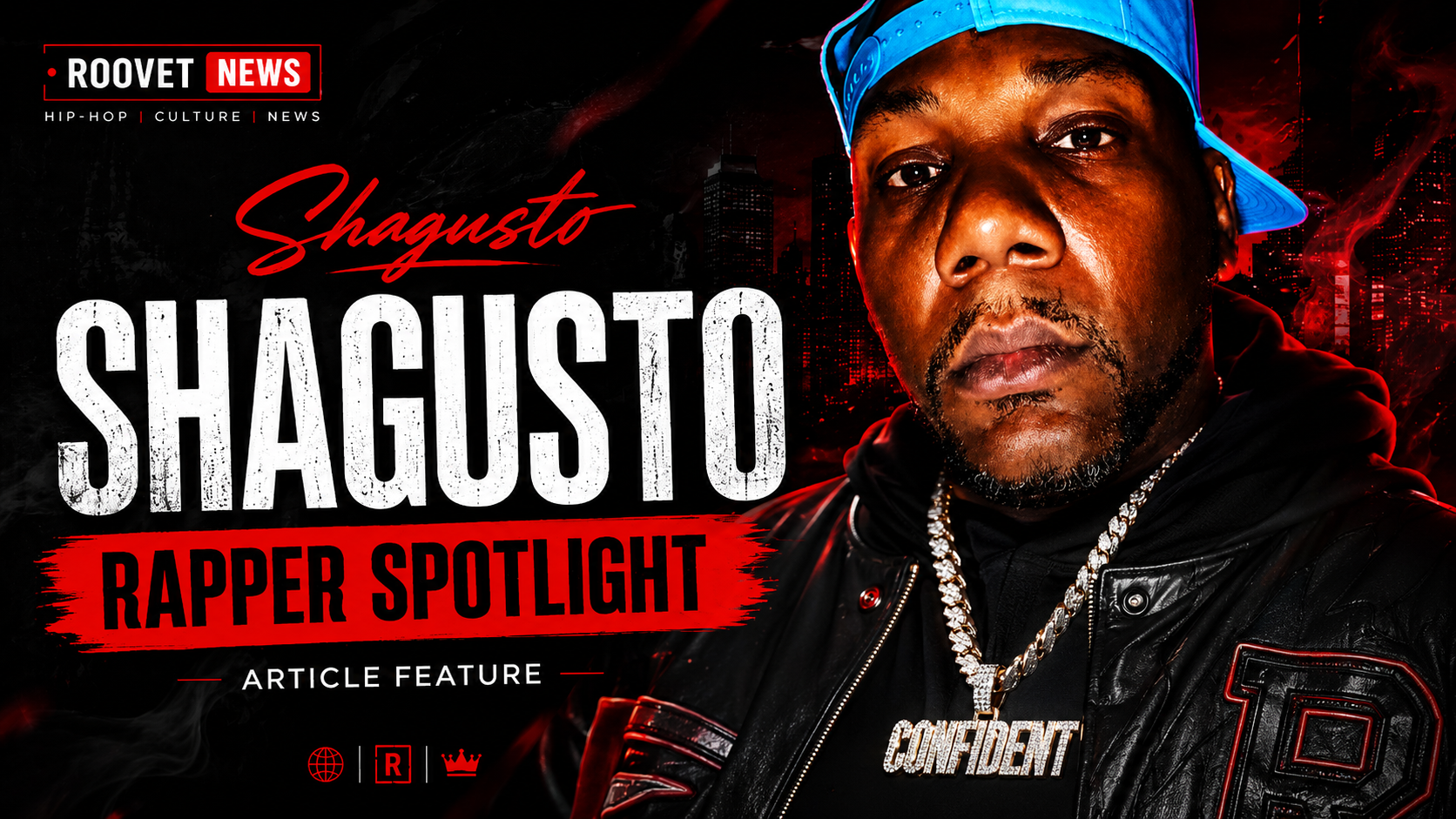
Shagusto: The Raw Underground Rapper With a Sound Built From Survival

Shagusto is the kind of rapper who sounds like he was shaped by pressure before he ever stepped into a studio. His music carries the energy of the underground: raw, direct, unfiltered, and built from real-life tension…
View profile
Roovet Stories 14 min read

Shagusto is the kind of rapper who sounds like he was shaped by pressure before he ever stepped into a studio. His music carries the energy of the underground: raw, direct, unfiltered, and built from real-life tension. In a rap world where many artists chase polish, trends, and viral moments, Shagusto represents a different kind of presence. He sounds like an artist who came through the streets, the struggle, the arguments, the betrayals, and the long nights with something to prove.

There is a certain weight behind his name. Shagusto does not sound like a character made for social media. It sounds like a name connected to a real person with history behind him. His records carry titles that speak to conflict, survival, ambition, loyalty, and danger. Songs like “Scared of Nothing,” “Ready for War,” “Outta Hell,” “All I Need Is a Brick,” and “Make a Wish” show an artist who is not afraid to build his catalog around hard emotions and hard realities.

What makes Shagusto interesting is that he does not need to be overly explained. The music gives listeners the picture. He comes across as a rapper who understands the darker side of life and uses music as a way to speak from that space. His sound belongs to the world of independent hip-hop, where reputation is built one record at a time and respect is earned through consistency, authenticity, and presence.

A Voice From the Underground

The underground has always been one of the most important parts of hip-hop. Before artists become household names, before major playlists, before magazine covers, before festival stages, there is usually an underground phase where the music is more raw and personal. That is where Shagusto’s energy feels most at home.

Underground rap is not about perfection. It is about truth. It is about voice. It is about making listeners feel something even when the production is gritty and the path is not polished. Shagusto’s name carries that kind of energy. His music feels connected to the independent grind, where artists have to push their own work, build their own identity, and fight for attention without waiting on the industry to open the door.

That kind of lane can be powerful because it creates loyalty. Listeners who connect with underground artists often feel like they discovered something real before the rest of the world caught on. Shagusto has the type of catalog that can appeal to people who like their rap darker, rougher, and closer to the street.

His sound does not feel soft. It does not feel watered down. It feels like music made by someone who has seen enough to know that life is not always clean, fair, or easy.

The Meaning Behind the Name

A rap name has to carry weight, and Shagusto does. It has rhythm, character, and identity. It sounds sharp enough to be remembered but personal enough to feel attached to a real story. The name itself feels like it belongs in the underground rap world: direct, gritty, and distinct.

In hip-hop, a name can become a symbol. It can tell listeners what kind of energy to expect before they hear a song. Shagusto sounds like an artist who is not trying to fit into a soft lane. The name feels connected to confidence, street awareness, and a certain kind of pressure.

That matters because branding begins with recognition. If people hear the name once and remember it, the artist already has an advantage. Shagusto is not generic. It stands out. It sounds like a name that can live on a mixtape cover, a street single, a battle record, or a hard feature verse.

A strong name gives the artist a foundation. From there, the music has to build the world around it. Shagusto’s song titles and public catalog suggest a world built around struggle, danger, survival, and the fight to keep moving forward.

Music That Sounds Like Experience

The strongest thing about Shagusto’s music is the sense of experience behind it. The records connected to his name do not sound like they were created to fit a safe commercial formula. They sound like they were made from moments, memories, and real emotion.

“Scared of Nothing” immediately gives a listener a sense of fearlessness. That title alone tells you something about the energy. It suggests a person who has been tested enough times to stop running from pressure. In rap, fearlessness is not just about being tough. It is about surviving enough to understand that fear cannot control the story.

“Ready for War” carries a similar energy. It sounds like a record built around preparation, aggression, and standing firm when conflict comes. That kind of title fits an artist who wants his music to feel like a statement.

“Outta Hell” suggests pain, escape, and transformation. That is one of the most powerful themes in hip-hop. Many artists come from difficult places, but the strongest ones know how to turn that struggle into music that listeners can feel.

“All I Need Is a Brick” leans into the language of hustle and survival. It connects to the kind of street rap tradition where ambition is born from limited options and dangerous circumstances.

“Make a Wish” adds another layer because the title can be read in multiple ways. It could sound playful, threatening, hopeful, or ironic depending on the song’s tone. That kind of contrast is useful because it shows the artist can create tension with a simple phrase.

Together, these titles help build the picture of Shagusto as an artist who writes from pressure, conflict, and survival.

The Sound of Survival

Shagusto’s music fits best inside the sound of survival rap. This is the kind of hip-hop that does not ask for sympathy. It speaks from the middle of pressure and turns pain into motion. Survival rap is often dark, direct, and personal. It does not always need a radio hook. Sometimes it only needs the truth.

That kind of sound connects with listeners who have been through real situations. People who understand betrayal, danger, poverty, loyalty, loss, and the need to stay alert can hear themselves in music like this. The appeal comes from recognition. A listener may not have lived the exact same story, but they can feel the emotion behind it.

Shagusto’s lane is not about pretending life is easy. It is about showing that even when life becomes heavy, the voice can still come through. That is what gives his music strength.

Some rappers make music for the party. Some make music for the charts. Some make music for the pain. Shagusto sounds like an artist who knows how to work inside that third category while still carrying enough aggression to keep the energy sharp.

Amityville Energy and New York Grit

Shagusto has been connected publicly to Amityville, New York, and that association gives his story a strong regional edge. New York hip-hop has always been built on grit, identity, and lyricism. From the boroughs to Long Island, New York artists have historically brought a certain toughness to rap, not only through sound but through attitude.

Amityville itself carries a name people recognize. It has a dark cultural weight because of its place in American pop culture, but beyond that, it is also part of Long Island’s broader hip-hop geography. Long Island has produced important rap voices across different eras, and artists from that area often bring their own mixture of street knowledge, regional pride, and independent hunger.

For Shagusto, the Amityville connection adds atmosphere. It fits the darker tone of his music. It gives the name another layer. When an artist’s location and sound match each other, the identity becomes stronger. Shagusto’s gritty catalog feels like it could come from a place where survival, reputation, and personal history matter.

That regional connection does not mean he has to sound like every other New York rapper. In fact, the strongest artists use their environment as a foundation, not a cage. Shagusto can carry New York grit while still building a sound that belongs to him.

Independent Rap and the Long Road

The independent rap path is not easy. It takes discipline, consistency, and thick skin. Artists have to keep releasing music even when the numbers do not immediately reflect the work. They have to promote themselves, collaborate, stay visible, and keep improving without losing the raw edge that made people listen in the first place.

Shagusto’s public presence suggests an artist who has been part of that long road. His catalog includes multiple records, collaborations, and credits that show he has been active in different parts of the creative process. That matters because independent artists often have to wear more than one hat. They are not only performers. They may be writers, engineers, promoters, connectors, and business minds.

That kind of work builds character. It also builds a deeper understanding of the music. An artist who understands the recording process from more than one angle can shape his own sound better. Shagusto being connected to performance, songwriting, and engineering gives him a stronger creative identity.

The independent grind also makes the story more relatable. Many fans respect artists who keep pushing without major industry support. There is something powerful about seeing an artist continue to build even when the road is not easy.

A Catalog With Hard Titles and Hard Energy

Shagusto’s song titles say a lot about his artistic world. “Scared of Nothing,” “Ready for War,” “Outta Hell,” “Its Da Set,” “Bottom Bitch,” and “All I Need Is a Brick” all point toward a catalog that is aggressive, street-centered, and emotionally intense.

These are not titles that suggest soft pop rap or safe commercial records. They suggest an artist writing from the edges. They suggest conflict, hunger, loyalty, and survival. That kind of catalog can build a strong underground following because it gives listeners a clear identity to connect with.

A rapper’s catalog should feel like a story, and Shagusto’s story appears to be built around battle-tested energy. He sounds like someone who uses music to represent a life that has not been easy. That honesty gives the songs more weight.

The strongest underground artists often become respected because their music sounds like documentation. They are not simply making songs. They are leaving behind pieces of their reality. Shagusto’s catalog has that kind of feeling.

Collaboration and Respect

Collaboration is an important part of hip-hop, especially for independent artists. Working with other rappers creates movement. It introduces audiences to new voices and helps build a network around the music.

Shagusto has been connected to collaborative records, including work with artists such as T.Dart, F.A.T.A.L, Trez, Glenn, and BGM Bally. These collaborations show that he is not isolated as an artist. He has been part of records that involve different voices, different energies, and different creative roles.

A collaboration can also reveal an artist’s versatility. Some rappers only work well alone. Others know how to bring their presence to a shared track without disappearing. For Shagusto, being credited on collaborative songs helps build the idea that he can move inside different records while still keeping his identity.

The 2026 feature “Charged Up” with BGM Bally is especially important because it shows his name still appearing in new music conversations. A recent collaboration matters because it suggests movement, activity, and continued connection to the rap scene.

In hip-hop, staying active is part of staying alive. Shagusto’s collaborations help keep the name moving.

The Role of Engineering and Songwriting

One detail that makes Shagusto stand out is his connection to the technical side of music. Being credited not only as a performer and songwriter but also as an engineer shows that he is involved beyond just recording verses. That kind of creative control matters.

Engineering is not just a technical job. It affects the emotion of a record. The way a voice is mixed, the way ad-libs sit in the track, the way the beat and vocals hit together — all of that changes how the listener feels the song. An artist who understands engineering can shape the final product more directly.

Songwriting also matters because rap is built on voice, structure, rhythm, and identity. Even when the lyrics are raw, they still need to move. They still need timing. They still need presence. Shagusto’s songwriting credit helps show that he is part of the creative foundation of the music, not just a voice layered on top.

That matters for his long-term identity. Artists who understand both the creative and technical sides of music can often survive longer because they are less dependent on others to define their sound.

Why Shagusto’s Music Connects

Shagusto’s music connects because it sounds like it comes from real pressure. Listeners who enjoy street rap, gritty underground hip-hop, and survival-based storytelling can find something familiar in his sound.

There is an audience for music that does not feel overly polished. Not every listener wants soft melodies and clean radio records. Some people want music that sounds like the block, the studio at midnight, the argument before the verse, the memory that still hurts, and the hunger that keeps a person moving.

Shagusto speaks to that space. His energy is not built around being perfect. It is built around being real enough to leave an impression.

That connection can be stronger than mainstream attention because it is more personal. A fan who connects with raw music may support an artist for years because they feel like the artist represents something close to their own life. That is the power of authenticity in hip-hop.

The Importance of Staying Raw

One of the challenges for any underground rapper is growth. As artists improve, they often gain access to better production, better mixing, stronger visuals, and wider audiences. But sometimes growth can remove the raw edge that made the artist interesting in the first place.

For Shagusto, the key is to sharpen the sound without losing the grit. He does not need to become overly polished to be powerful. He needs to make the rawness hit harder. Better mixing, stronger visuals, tighter rollouts, and more consistent branding can elevate the music while keeping the underground energy alive.

That balance is important. Fans want growth, but they do not want the artist to become unrecognizable. Shagusto’s strength is the edge. The danger. The pressure. The voice that sounds like it came from experience. That should remain at the center.

A strong future for Shagusto would be built on cleaner execution, not a softer identity.

What Shagusto Represents

Shagusto represents the kind of artist who does not need permission to exist. He represents the rapper who keeps creating whether the spotlight is bright or not. He represents underground pressure, street storytelling, and the long grind that many independent artists understand.

He also represents a part of hip-hop that is easy to overlook but impossible to erase. The underground keeps the culture alive. It is where artists experiment, where raw stories are told, where local voices build reputations, and where real fans discover music that feels personal.

Shagusto’s name belongs in that conversation because his catalog points toward a life lived with intensity. The songs do not feel empty. They feel like pieces of a larger story — one filled with conflict, hunger, and survival.

In that sense, Shagusto is more than a rapper with a list of songs. He is a voice from a specific world. And in hip-hop, voice is everything.

The Road Ahead

The next chapter for Shagusto depends on momentum. He has the name. He has the gritty catalog. He has the underground energy. The next step is building more visibility around the story.

That means stronger visuals, consistent releases, updated artist profiles, interviews, short-form content, behind-the-scenes footage, and more records that show both aggression and depth. The audience is there for raw hip-hop, but listeners need a clear path to discover and follow the artist.

A strong rollout could reintroduce Shagusto to listeners who enjoy street rap with real texture. A documentary-style interview, a performance video, or a polished single campaign could help bring new energy to his name. The key is not to change who he is. The key is to present the identity more powerfully.

Hip-hop respects persistence. Artists who keep pushing, keep improving, and keep showing up can create new moments even after years in the game. Shagusto has the kind of name and sound that can still cut through if the right record, visual, or story reaches the right audience.

Conclusion

Shagusto is a rapper with a raw voice, a hard-edged catalog, and a sound rooted in survival. His music carries the pressure of underground hip-hop — the kind of pressure that turns pain into verses and conflict into identity. From records like “Scared of Nothing” and “Ready for War” to collaborations and creative credits, his name represents an artist who has been part of the grind and continues to move with purpose.

What makes Shagusto strong is not polish. It is presence. It is the feeling that the music comes from somewhere real. It is the weight behind the titles, the grit behind the voice, and the independent spirit behind the catalog.

In a rap industry filled with trends, Shagusto stands as the kind of artist who reminds listeners why the underground matters. The underground is where pressure becomes sound. It is where artists build without guarantees. It is where names survive because the music carries truth.

Shagusto’s story is still moving. The foundation is there: raw energy, hard records, regional grit, and a voice built from experience. With the right consistency and presentation, his name can continue to grow while staying connected to the very thing that makes it powerful — the realness behind the music.

Respond to this story

Leave a quick response for the author.